Zero-Proof Cocktails: Build Flavor and Structure
Develop thoughtful alcohol-free drinks through aroma, acidity, sweetness, texture and service, with careful ingredient-label checks.
Give the drink its own brief
An alcohol-free cocktail deserves a complete concept rather than a spirit recipe with the largest ingredient removed. Start with the experience: long and sparkling, short and aromatic, bright and fruit-led or rich and softly textured. Then choose ingredients that support that brief. You do not have to imitate a spirit to create an interesting drink.
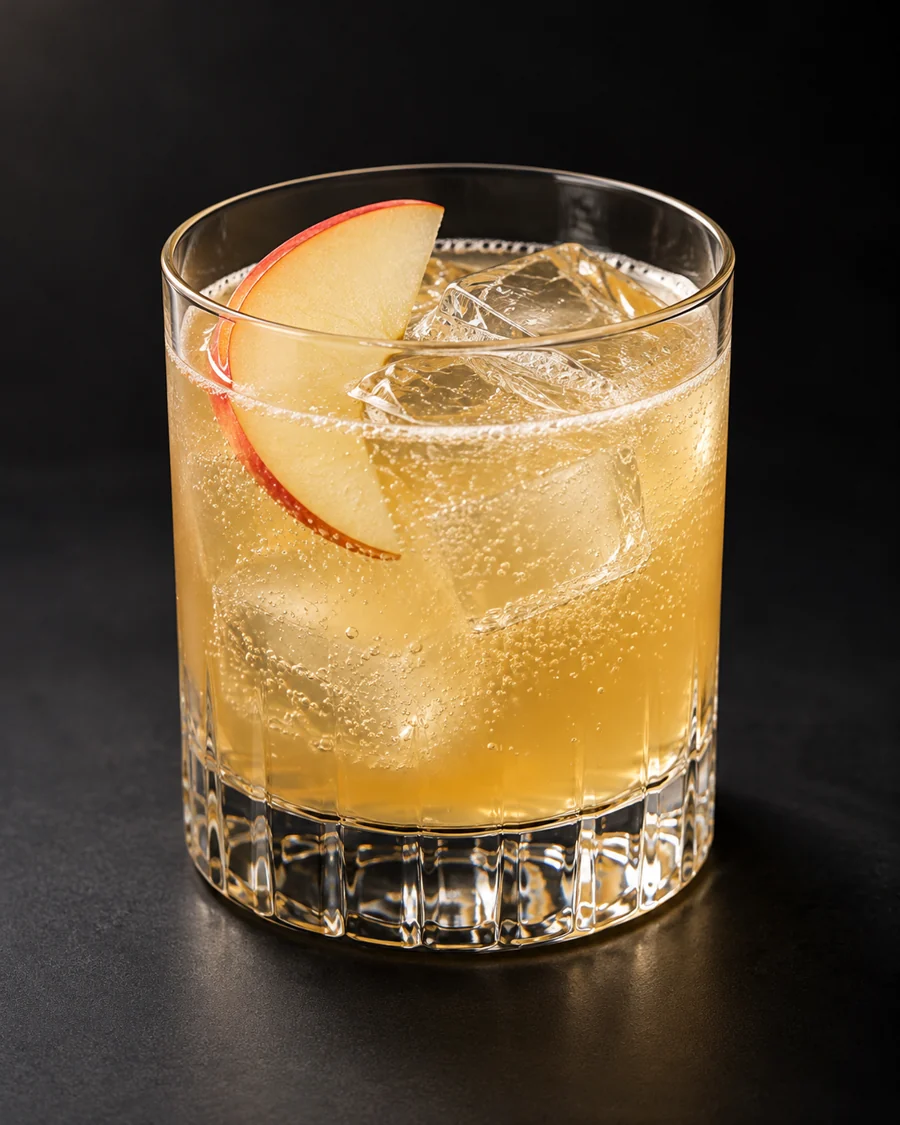
For an illustrative development goal, imagine a sparkling orchard drink with a clear apple aroma, a measured citrus edge and a gentle herbal finish. That description helps you reject additions that make the drink sweeter without making it more coherent. It is a starting brief, not a tested formula or a claim that any ingredient combination will work automatically.
Use flavor roles to choose ingredients
Assign each ingredient a job. A brewed tea or a suitable commercial alcohol-free base may provide the main flavor. A fruit component can supply aroma and sweetness. Citrus can supply a measured sour element, while soda changes length and presentation. A garnish can support the first aroma if it genuinely belongs with the drink.
Keep the list short enough that you can identify what each addition changes. If both a fruit syrup and a sweet mixer are present, check whether their combined sweetness leaves room for the intended flavor. If you add a bitter component, confirm its alcohol content and ingredient information rather than assuming a small dose does not matter.
The low-and-no training reference discusses balancing sweetness and managing dilution in this category. Use that as a prompt to test the complete serve. It does not establish a universal replacement ratio between spirits and alcohol-free products, whose compositions can differ substantially.
Run a simple three-part development session
First, compare possible bases on their own in small samples, prepared according to their instructions. Write down aroma, intensity and the impression of the finish. Do not choose entirely from the package description. A product that tastes compelling alone may be overwhelmed by a strongly flavored mixer, while a quieter base may work well in a restrained combination.
Second, add one supporting component at a time in recorded amounts. If the drink feels thin, ask whether it needs a different base or a shorter serve before adding more syrup. If it feels heavy, test a smaller sweet component or a different mixer while keeping the rest stable. Each trial should answer one question.
Third, serve the preferred version in its final glass with its intended ice, carbonation and garnish. Compare the first sip with a later one during a realistic serving interval. Use that observation to refine the specification. The process is more useful than searching for a single secret ingredient that supposedly makes every alcohol-free drink sophisticated.
Check labels with the guest’s requirement in mind
Do not assume that every product marketed as non-alcoholic contains no alcohol. As one specific U.S. example, TTB's malt-beverage guidance distinguishes non-alcoholic products containing less than 0.5 percent alcohol by volume from alcohol-free products containing none. That is a category-specific labeling reference, not a universal legal definition for every drink or country.
For a guest requesting no alcohol, check the exact products used, including bitters, extracts, fermented mixers and finishing sprays. Ask the manufacturer when the available information does not answer the question. Do not promise a verified 0.0 percent finished drink from incomplete labels or a rough calculation.
The guest does not need to disclose why they are avoiding alcohol. State the available ingredient information clearly and respect the level of avoidance they request. A recipe description should also distinguish a drink intentionally made with alcohol-free ingredients from a lower-alcohol variation. Those are different choices.
Treat food safety and allergens independently
Removing beverage alcohol does not remove food-safety requirements or allergen concerns. Follow the handling instructions for juices, prepared ingredients and commercial products. FDA notes that untreated juice can carry harmful bacteria; pasteurized or otherwise appropriately treated products are the safer choice for people at higher risk from foodborne illness.
Read the full ingredient record for every component and follow the venue's allergy procedures. A botanical-looking bottle or a clear syrup is not proof that it suits every dietary requirement. Keep the preparation tools and service communication aligned with the actual ingredients. Avoid describing a drink as healthy, detoxifying or suitable for a medical condition because it contains no intentionally added spirits.
Make presentation feel intentional
Choose the glass around the finished volume and the way the drink will be enjoyed. A short, concentrated serve can be attractive without being placed in an oversized tumbler. A long sparkling drink needs space for its measured mixer and ice. Use a garnish that supports the flavor and remains comfortable to drink around.
On a menu, give alcohol-free options readable descriptions and the same degree of care as other drinks. Describe the experience instead of apologizing for the absence of alcohol. Train staff to explain ingredients and flavor plainly. A person choosing the drink should not need to interrogate the bar to discover what is in it or whether a suitable option exists.
A final development check
Before a new recipe becomes part of the regular offer, have someone else reproduce it from the written specification. The result should not depend on the developer's unrecorded intuition.
An alcohol-free menu gains character from considered choices and disciplined development. It can be refreshing, bitter, aromatic or rich without borrowing exaggerated health claims or pretending that a removed ingredient is the whole story.
- The flavor brief is clear and the ingredient roles make sense.
- Measures, preparation and service steps are repeatable.
- Product alcohol information has been checked for the intended claim.
- Ingredients, allergens and handling instructions are available.
- The final glass, ice and garnish have been included in the trial.
- The menu description matches what is actually served.
Editorial method and review
Prepared with AI assistance by CocktailsPro Editorial using the primary references below. The examples and checklists are original editorial proposals, not reported hands-on tests. This draft needs human editorial review and, where applicable, practical tasting before publication. Research checked on 12 October 2026.