Host a Cocktail Evening with a Calm Drinks Plan
Plan a compact drinks menu, a workable station and a welcoming alcohol-free offer so you can spend more of the evening with your guests.
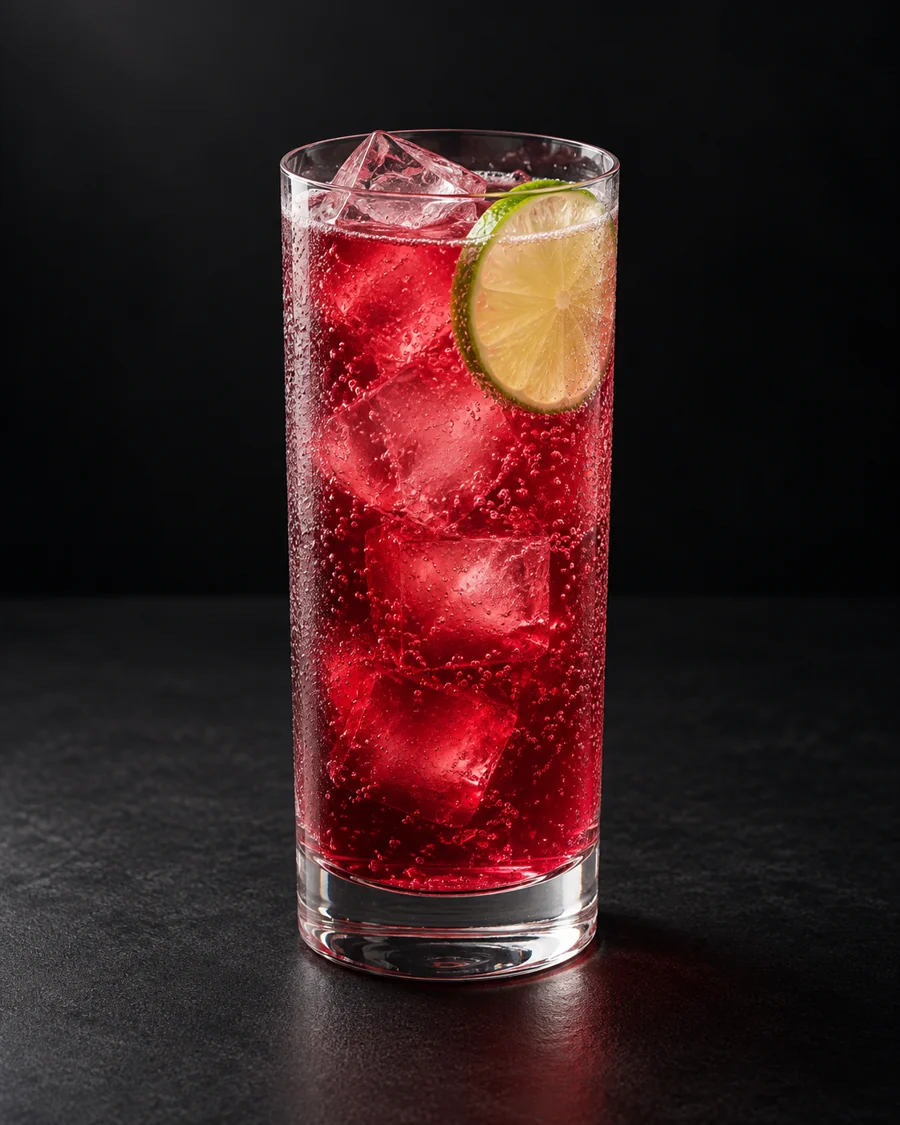
Design the evening you want to enjoy
Before choosing recipes, decide how much time you want to spend making drinks. A menu of six individually shaken cocktails can turn the host into a full-time bartender. A smaller offer with a thoughtful mix of preparation styles can leave more room for conversation, food and the rest of the evening.
Start with a simple planning brief: the number of invited adults, the setting, the food arrangement and the time available for preparation. Ask about practical dietary requirements without asking anyone to explain why they do or do not drink alcohol. For a larger gathering, consider whether an experienced service professional is needed rather than assuming a home setup can handle any scale.
Choose a short, clearly described menu
A useful home menu might include one measured cocktail that can be partly prepared ahead, one easy long drink and a well-developed alcohol-free option, alongside water and familiar soft drinks. This is an illustrative structure, not a required number of drinks. Choose recipes you have practised and can explain in ordinary language.
Avoid building the whole offer around a single flavor. Someone who dislikes bitter drinks should have a different choice, and someone avoiding alcohol should not be limited to the leftover mixer. Give each option a short description so guests know whether it is citrus-led, sweet, bitter or sparkling. Identify which drinks contain alcohol clearly.
NIAAA's hosting guidance recommends alcohol-free choices, an emphasis on food and respect for guests who are not drinking. Translate that into an easy experience: make water visible, serve food as part of the occasion and accept a declined drink without repeated encouragement. Hospitality should make a preference comfortable to express.
Rehearse the complete serving sequence
Make each chosen drink in the glass you plan to use. Include ice, garnish and the final pour. Check that the measure is readable, the shaker fits the available workspace and the glass can be carried comfortably. A recipe that works in a video may need equipment or preparation you have not yet allowed for.
If you plan a batch, first settle the single-serving recipe and then test a small batch using its actual finishing instruction. Label whether water or citrus is already included. Keep carbonated finishing ingredients separate when the recipe calls for adding them at service. Do not assume a chilled bottle reproduces a drink that normally receives a full shake with ice.
Write a brief card for anyone helping. It should state the measure of prepared base, the remaining ingredients and the glass. A helper should not need to infer the recipe by watching you make the first one while guests are arriving.
Lay out the station from clean to used
Arrange clean glasses, measuring tools, prepared ingredients and serving ice in a comfortable sequence. Give used glasses and tools a separate destination so they do not accumulate beside the clean supply. Keep water and self-service soft drinks accessible without requiring guests to reach through the working area.
Provide a separate container for bottles being chilled. The FDA Food Code distinguishes ice used as exterior coolant from ice served as an ingredient. Keeping those supplies visibly separate is a simple way to avoid confusion. Use an appropriate clean scoop for serving ice and plan how to replenish it without carrying dirty items across the station.
Check the less glamorous details: a stable surface, a nearby waste container, dry space for clean tools and enough room to set a finished drink down. The bar should remain functional after several orders, not only look attractive before the first guest arrives.
Prepare only what you can handle properly
Make a list divided into items that can be organised in advance and actions that belong close to service. Glassware checks, recipe cards and equipment layout can often be completed early. Fresh preparations need appropriate food-safety handling and storage. Follow official guidance and ingredient instructions rather than relying on an internet rule that every homemade mixer lasts the same number of days.
Keep complete ingredient information available for guests with allergies. Include garnishes, syrups and commercial mixers, not just the base spirit. If you cannot establish whether a preparation meets someone's requirement, say so clearly and offer an option whose information you can verify. A confident guess is less helpful than an honest answer.
Plan quantities from the menu and expected demand without turning the estimate into a consumption target. Keep unopened reserves separate where practical. A gathering does not need every purchased bottle to be finished for the planning to have been successful.
Give yourself a service rhythm
When several guests arrive together, explain the small menu and make one order sequence at a time. Avoid promising a complicated off-menu drink that requires searching through cupboards while the planned ingredients sit out. You can be generous with attention without offering an unlimited list of recipes.
Refresh the station during natural gaps: return ingredients to their required storage, replace used tools through the cleaning routine and replenish the protected supplies. Ask a willing helper to manage a defined task, such as water or used glass collection, rather than vaguely asking them to help at the bar. Clear roles make the evening calmer.
Close the evening as deliberately as you opened it
Make transport arrangements easy to discuss and do not encourage anyone who has been drinking to drive. Continue offering alcohol-free drinks without making them a special announcement. When service ends, follow the applicable storage or discard instructions for prepared ingredients; an unlabeled leftover mixture is not a useful souvenir.
The most memorable part of a cocktail evening is usually the company. A considered drinks plan supports that experience by making good choices easy and leaving the host enough attention to enjoy the room.
- Save the recipes that worked and the quantities actually used.
- Note which preparation created the most unnecessary work.
- Record any glassware or equipment shortage before forgetting it.
- Keep one practical improvement for the next gathering.
Editorial method and review
Prepared with AI assistance by CocktailsPro Editorial using the primary references below. The examples and checklists are original editorial proposals, not reported hands-on tests. This draft needs human editorial review and, where applicable, practical tasting before publication. Research checked on 12 October 2026.