Cocktail Glassware: Choose by Volume and Service
Build a practical glassware collection for short, tall and up cocktails, with capacity checks that protect the recipe and make service easier.
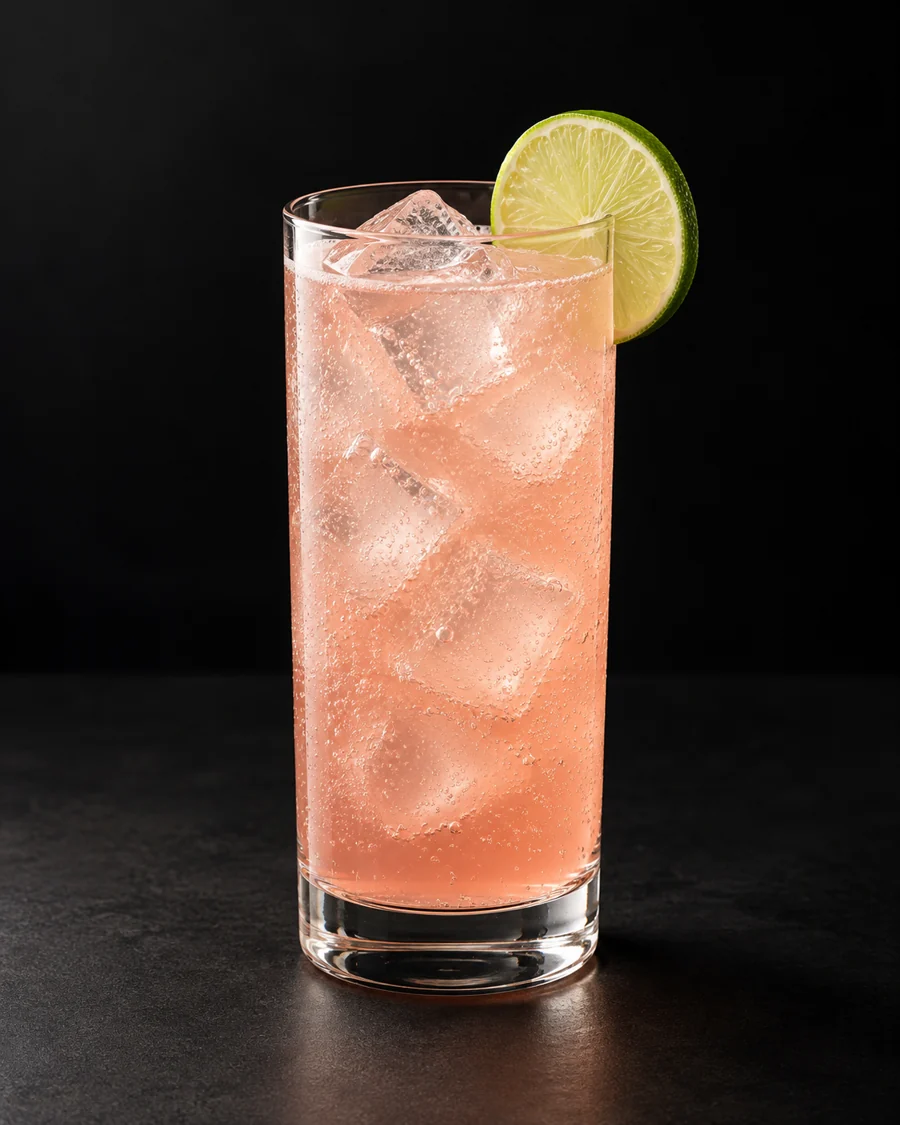
Start with the liquid, not the silhouette
A beautiful glass earns its place when it suits the drink and the setting. The first question is whether it accommodates the finished liquid, planned ice and garnish with room to carry it comfortably. A nominal capacity is not an instruction to fill to the rim. Using a larger glass also does not authorize a larger alcohol portion.
For a small collection, think in serving roles: a stemmed glass for drinks served without ice, a short tumbler for drinks over ice and a taller vessel for long drinks. Those categories cover a useful range without demanding a separate design for every cocktail name. Add specialist pieces only when a recurring recipe or occasion gives them a clear purpose.
Stemmed glasses for drinks served up
The IBA Dry Martini specification calls for a chilled cocktail glass, giving you a concrete example of a drink served without ice in the final vessel. A coupe or another suitable stemmed shape can be a deliberate house presentation, provided the recipe and usable capacity work together. Describe that as your service choice rather than a historical rule.
Test the actual pour before buying a large set. Place the planned garnish, lift the glass, walk a short distance and set it down. A very wide bowl may look elegant in a still photograph but demand more care on a crowded tray. A narrower, appropriately sized option may be easier for the way you actually host or serve.
Rocks glasses and the ice relationship
Short tumblers work well when the drink is designed to remain with ice in the serving glass. The IBA Negroni provides one familiar example. Look beyond the label rocks or double old fashioned and inspect the real dimensions. Two glasses with the same nominal volume can have different internal widths and very different compatibility with your preferred cube.
Make a water rehearsal using the intended ice and liquid volume. If the cube leaves insufficient space, choose a different cube or glass. Do not solve the fit by leaving part of the recipe in the mixing vessel. That practice changes portion consistency and makes costing unreliable in a commercial setting. It also leaves a home guest with an accidental variation.
Tall glasses and measured mixers
Tall glasses are useful for drinks with a substantial non-alcoholic mixer, but height alone tells you little about capacity. The manufacturer specifications in Libbey's range illustrate how varied barware capacities can be even within familiar names. Check the individual product rather than relying on the category title or a photograph beside a hand.
For a long drink, measure the base and mixer during recipe development, then test the planned ice fill. A top-up instruction needs a defined glass and ice standard to be repeatable. If people substitute different glasses each time, the amount of mixer may change enough to alter the balance. A marked development jug can help establish the intended amount before service.
Build a small collection around real use
Write down the five drinks you make most often. Assign each to an existing glass before adding anything to a shopping list. If four already work well in the same short tumbler, another decorative tumbler may offer less value than a practical set of stems. Let the menu reveal the gap instead of collecting shapes without a plan.
For a venue, consider rack fit, washing arrangements, storage space and replacement availability alongside appearance. A glass that requires a unique rack or occupies an awkward shelf has an operational cost beyond its purchase price. For home use, check that your chosen pieces fit safely where you intend to store and wash them. Neither setting benefits from a collection that is inconvenient to use.
Document the house pour visually and numerically
A service specification should name the exact glass or provide enough information to identify it. Record the recipe volume before preparation, the finished presentation and the intended headroom. A reference photograph can help with placement, but it should sit beside written measures. Perspective can make two different fill levels appear similar.
Avoid using an attractive glass to disguise a portion change. If the menu promises a particular serve, train the team to reproduce it consistently. For an alcohol-free drink, apply the same care to proportion and appearance. A thoughtful non-alcoholic presentation should feel complete in its own right, rather than using the largest available glass to compensate for an undeveloped recipe.
Care and inspection belong in the routine
Follow the manufacturer's care guidance for the actual product, especially for decorated surfaces, fine stems and washing compatibility. Inspect glasses before filling them, and remove damaged pieces from service. Handle them with a method that protects the drinking surface and keeps the station orderly. Specialty glassware should make hospitality more graceful, not introduce avoidable handling problems.
The right glass is the one that lets the intended drink arrive intact and makes the guest comfortable using it. Design matters most when it supports that quiet practical success.
- Confirm useful capacity with a rehearsal of the real recipe.
- Check ice fit, garnish position and comfortable carrying space.
- Match the glass to washing and storage arrangements.
- Keep a clear reference for staff or a second person helping at home.
- Review replacements before making a hard-to-source design central to the menu.
Editorial method and review
Prepared with AI assistance by CocktailsPro Editorial using the primary references below. The examples and checklists are original editorial proposals, not reported hands-on tests. This draft needs human editorial review and, where applicable, practical tasting before publication. Research checked on 12 October 2026.