Cocktail Garnishes with Purpose: Aroma, Ease and Restraint
Choose garnishes that support flavor and remain comfortable to drink around, with a practical specification for preparation and service.
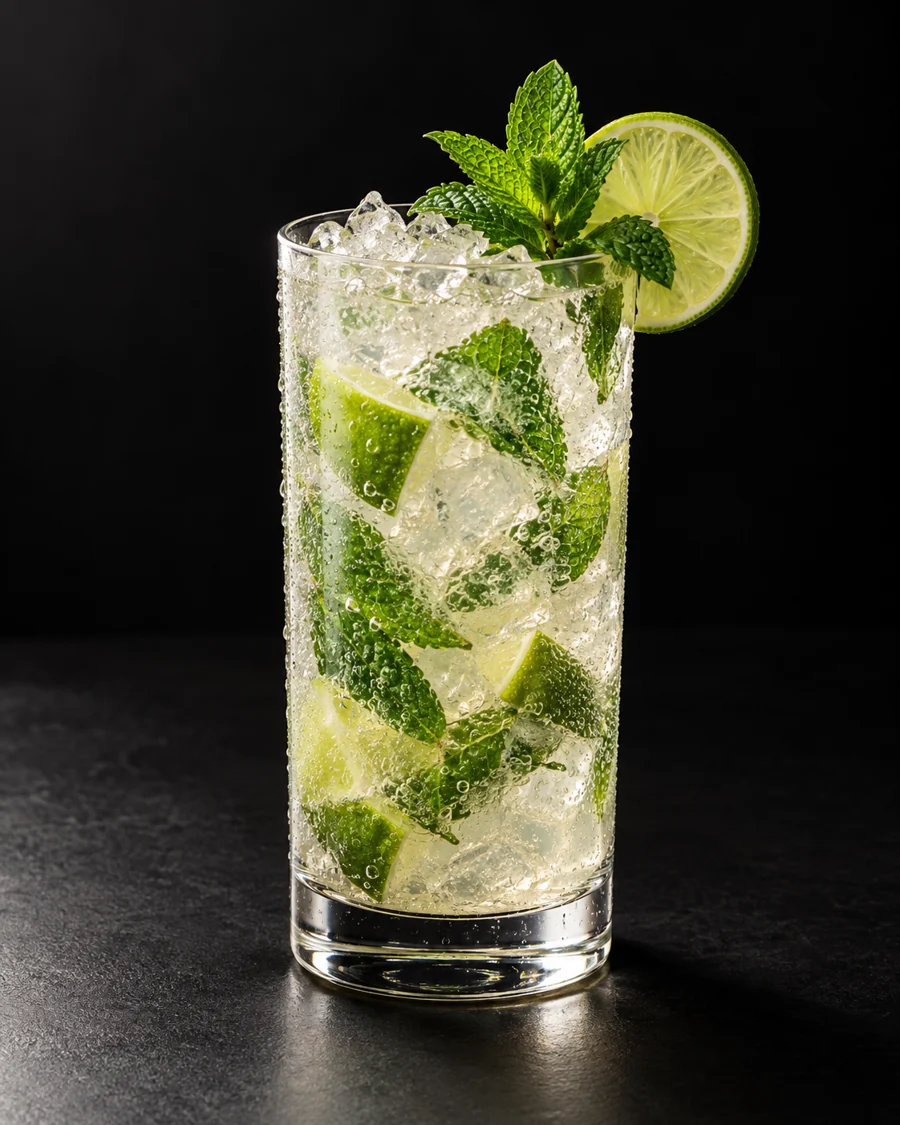
Ask what the garnish contributes
A garnish can introduce an aroma, offer a flavor adjustment or make the drink's character easier to understand. It can also become an obstacle that the guest has to remove before the first sip. Begin with its purpose. If the only explanation is that an empty rim looked unfinished, try the drink without it before adding more decoration.
Classic specifications provide useful examples of deliberate choices. The IBA Dry Martini allows lemon peel or olives according to the serve, while its Negroni uses orange. Those references do not require every modern drink to copy the same presentation. They show that the finishing element belongs to the recipe rather than arriving as an unrelated visual accessory.
Aroma: keep the ingredient connected to the drink
For an aromatic garnish, choose something that makes sense alongside the drink's main flavors. A citrus peel may be enough to introduce a clear opening impression. A herb sprig can suggest the intended profile, provided its identity and suitability for food use are established. Use culinary ingredients from a source intended for consumption; decorative plants are not automatically edible.
Develop the garnish at the same time as the drink. Compare a small finished sample with and without the proposed element, keeping the liquid identical. Ask whether the first aroma supports the brief or distracts from it. If the garnish introduces a strong flavor that the recipe otherwise lacks, decide whether that is intentional and describe it accurately.
Restraint can be particularly effective in a minimal presentation. One clean, well-proportioned element gives the glass a clear focal point. Several competing shapes can make even a carefully developed drink feel difficult to understand.
Interaction: decide whether the guest should use it
A wedge invites a different interaction from a small peel. If squeezing it is part of the intended experience, make that clear and consider how much it changes the drink. The base recipe should still be coherent when first served. Do not rely on the guest to discover an essential correction without guidance.
A pick holding an edible garnish should be easy to remove and set down. Keep sharp points and awkward protrusions away from the drinking path. A garnish that needs a long explanation or an additional plate may still be appropriate for a deliberate service concept, but that extra work should be planned rather than discovered at the table.
Test the glass in someone's hand. Can they lift it comfortably? Does the garnish fall into the drink, press against their face or obstruct the rim? A photograph cannot answer all of those questions. Presentation succeeds when it works during the whole experience, not only at the moment the glass is placed down.
Write a preparation standard
Define the ingredient, approximate size, quantity and placement. A note saying orange garnish leaves room for a thick wedge, a thin wheel or a small peel, all of which create different results. A reference photograph can help, but pair it with enough written information that another person can reproduce the choice.
For a venue, calculate the preparation demand and the usable yield. A complicated cut may consume more labor and fruit than its appearance suggests. Test whether a simpler version delivers the same useful aroma and visual identity. If the garnish appears across several drinks, confirm that the shared preparation genuinely suits each one.
At home, choose a manageable amount and prepare it under suitable handling conditions. Making every possible garnish in advance can create clutter and leftovers. Match the work to the menu you actually intend to serve.
Treat decoration as food when it touches the drink
FDA's produce guidance applies to fruit used for garnishes as well as fruit used for juice: wash it before cutting. Use clean preparation tools and follow appropriate storage and handling procedures. A garnish's decorative role does not exempt it from food-safety considerations.
For purchased decorative products, verify that they are intended to be eaten or used in food in the relevant way. Do not substitute craft glitter, unidentified flowers or other display materials because they look similar to culinary products. Keep the package information available when needed. This guide deliberately focuses on simple edible finishes rather than flames, dry ice or other specialist effects.
Include the garnish in ingredient and allergen records. Removing a visible nut or dairy-based decoration after it has touched the drink is not a reliable way to make the original serve suitable for someone avoiding that ingredient. Follow the established allergy procedure and communicate clearly about what can be provided.
A before-and-after design exercise
Imagine a bright, sparkling citrus drink originally proposed with a fruit wheel, herb bouquet and flavored rim. The visual idea is lively, but the guest has three separate things to navigate. Make a trial that keeps only the element with the clearest purpose. Compare appearance, aroma, ease of drinking and preparation effort.
You may find that the fruit wheel gives a useful visual cue while the herb adds no welcome aroma, or that a small peel provides everything the serve needs. This is an illustrative exercise, not a reported test result. The point is to make each element earn its place through an observable contribution.
If a flavored rim remains part of the design, record its ingredients and application so the guest receives a consistent result. Consider whether leaving part of the rim clear would suit the intended service. Make that a deliberate specification rather than an inconsistent outcome from hurried preparation.
The final garnish review
Use this short review before adding a garnish to a regular menu or an event plan.
An elegant garnish can be simple. The strongest choice often feels inevitable once the drink arrives: it belongs to the flavor, suits the glass and gives the guest nothing unnecessary to solve.
- Purpose: it contributes a clear aroma, flavor, interaction or visual cue.
- Fit: the guest can carry and drink from the glass comfortably.
- Consistency: another person can reproduce the preparation and placement.
- Handling: ingredients and tools follow appropriate food-safety procedures.
- Information: the full ingredient and allergen record includes the garnish.
- Effort: its contribution justifies the preparation and service work.
Editorial method and review
Prepared with AI assistance by CocktailsPro Editorial using the primary references below. The examples and checklists are original editorial proposals, not reported hands-on tests. This draft needs human editorial review and, where applicable, practical tasting before publication. Research checked on 12 October 2026.