Cocktail Dilution: Treat Water as an Ingredient
Understand cocktail dilution, define your measurements clearly and develop a repeatable water target without relying on one universal percentage.
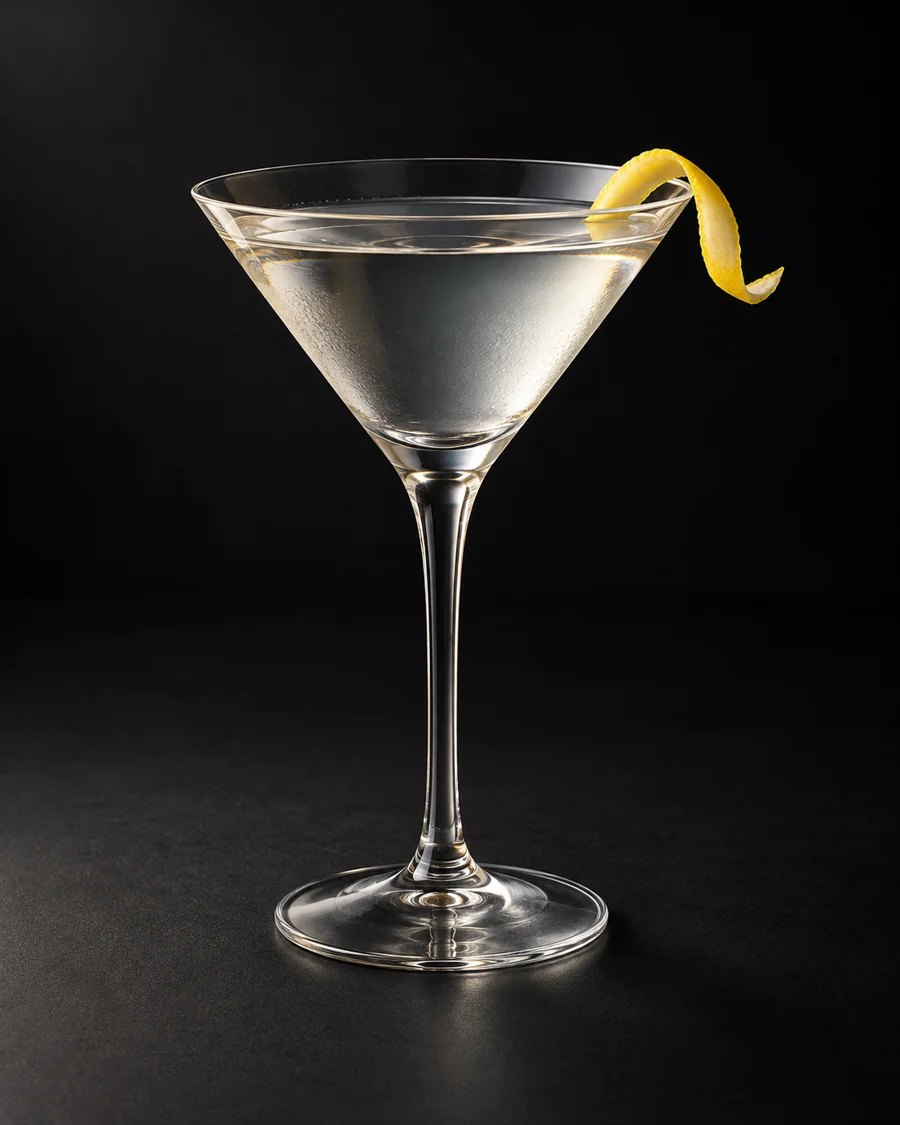
The missing line on many recipe cards
A recipe may list every spirit, juice and sweetener while leaving out water contributed during preparation. That omission makes it easy to blame the formula when two apparently identical drinks taste different. Stirring or shaking with ice changes the drink you serve. A bottled mixture poured cold from the refrigerator has not automatically received the same preparation as a freshly mixed cocktail.
The IBA's Dry Martini and Daiquiri instructions both involve ice, using different methods. Those specifications offer useful reference points, but they do not provide a universal water percentage for every adaptation. Your task is to establish the preparation that works for your ingredients, vessel and intended service, then document it.
Define the percentage before using it
Suppose an illustrative mixture contains 100 ml of ingredients and you deliberately add 20 ml of water. The added water is 20 percent of the starting volume. It is approximately 16.7 percent of the resulting 120 ml total. Both numbers describe the same example using different denominators. A note that says 20 percent dilution is therefore incomplete unless it explains its calculation.
For development notes, use plain language: 20 ml water added to each 100 ml of undiluted mixture. Keep that separate from any water already present in juice, syrup or spirits. You are specifying a preparation step, not attempting to describe the chemical composition of the whole drink. Also label all measurement units consistently.
Create a reference serving first
Start with a single drink made according to its recipe, including its intended ice and glass. Record ingredient temperatures approximately, the preparation method and the result you want to repeat. Take a small tasting sample using clean utensils. If the drink is not satisfactory, resolve the recipe before multiplying it into a batch. Scaling an unresolved problem only makes more of it.
For an alcohol-free practice exercise, use water and a clearly measured amount of a familiar juice. You can observe changes in concentration without making a series of alcoholic drinks. This will not reproduce all the behavior of a spirit-based cocktail, but it makes the bookkeeping and comparison process easier to learn.
Measure useful things, acknowledge uncertainty
Measuring the liquid before and after mixing can provide an approximate view of the change, but a kitchen experiment has limitations. Liquid remains on ice and inside tools. A measuring jug has finite resolution. Spills and foam complicate the reading. Avoid reporting your result to decimal places the equipment cannot justify, and do not label a rough measurement a laboratory finding.
The practical goal is consistency within your service. Repeat the same preparation several times, using the same tools, and look for a useful range. If results vary widely, investigate the method first. A single surprisingly high number should prompt another trial rather than an immediate revision of every recipe on the menu.
Account for the serving format
A cocktail served without ice begins its life in the glass differently from one served over fresh ice. A long drink also includes a substantial mixer. In development, write down what happens after preparation: the size of the glass, the ice format, any top-up and how quickly you expect the drink to reach its guest. Taste the intended service, not only a room-temperature spoonful from the batch.
Do not reduce the measured mixer because a glass looks full, or quietly add a splash of water to rescue a poor fit. Those are formula changes. Choose a glass that accommodates the designed liquid and ice, then reproduce that service. It is easier to diagnose dilution when the vessel stops being a moving target.
Use a controlled three-sample trial
For a proposed pre-diluted batch, divide a small amount of the same base into three labelled samples. Give each a different, explicitly recorded water addition. Chill and serve them under the same conditions. Compare the aroma, the impression of sweetness and the length of the finish. Use small samples and do not turn testing into a requirement to finish multiple drinks.
Write observations before choosing a favorite. One sample might feel easier on the first sip but lose definition later. Another might work over ice but feel too concentrated when served straight from a bottle. The winner is the sample that best meets the specific serving brief, not the one with the most fashionable dilution number.
Keep the service instruction unambiguous
A pre-diluted bottle needs a different service instruction from an undiluted ingredient batch. Label the distinction prominently. Otherwise, someone may add the planned water and then also perform the full original shake or stir, producing an unintended result. If shaking remains necessary for the desired texture, the complete workflow still needs a practical trial.
Water becomes manageable when it is visible in the specification. There is no need to turn every drink into a science project, but there is considerable value in being able to explain what went into the glass.
- State whether water is already included in the batch.
- Record the water amount and the basis of any percentage.
- Specify storage, service temperature and finishing method separately.
- Note the target portion and whether fresh ice or mixer is added.
Editorial method and review
Prepared with AI assistance by CocktailsPro Editorial using the primary references below. The examples and checklists are original editorial proposals, not reported hands-on tests. This draft needs human editorial review and, where applicable, practical tasting before publication. Research checked on 12 October 2026.