How to Balance Sweet and Sour in Cocktails
Diagnose sharp, flat or overly sweet cocktails through small controlled trials, with attention to syrup strength, citrus, liqueurs and dilution.
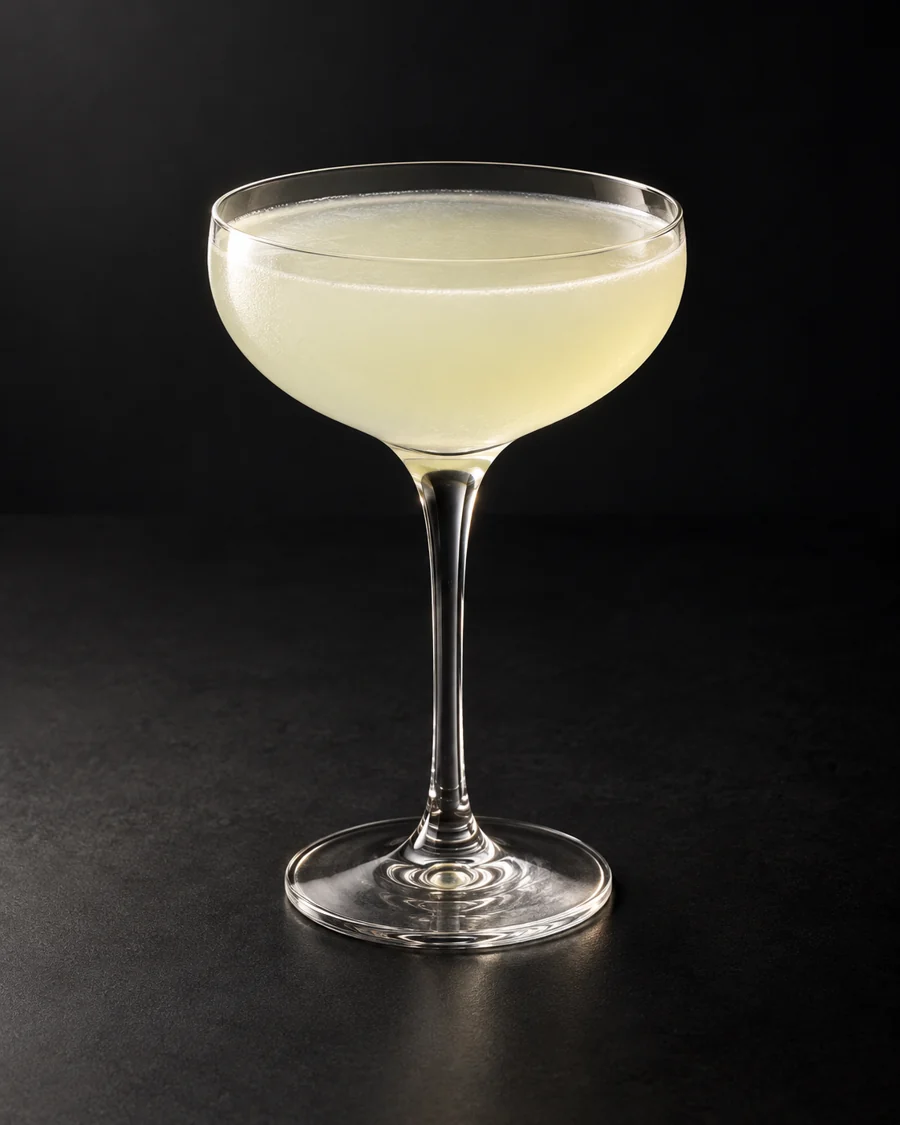
Balance is a target, not a universal ratio
A sour cocktail works when its ingredients create the experience you intended. That might be bright and brisk, soft and rounded, or rich enough to support a bold base. One memorized ratio cannot account for every juice, liqueur, syrup and serving format. Use a trusted recipe as a starting point, then make deliberate adjustments rather than repeatedly adding ingredients until the glass is full.
The IBA Daiquiri and Margarita illustrate different ways to combine a spirit, citrus and sweetness. Their specifications are useful references, not interchangeable equations. The Margarita's orange liqueur contributes its own flavor and alcohol as well as sweetness. Replacing it with plain syrup is a new formulation, not simply the same drink with another sweetener.
First check what you actually made
Before changing the balance, compare your preparation with the written recipe. Was the citrus measured? Was the syrup the specified concentration? Did the liqueur have the same style as the one used in development? Was the drink shaken and served as intended? An error in any of those details can resemble a poor formula.
Also distinguish ingredient flavor from overall balance. A juice that tastes unpleasant on its own will not necessarily become attractive when sweetened. A strongly flavored spirit may dominate the drink even when the sweet and sour relationship is comfortable. Write a specific observation such as lime overwhelms the finish or orange flavor hides the base. Too strong alone can mean several different things.
Case one: the first sip feels sharply sour
Imagine a trial drink that follows the intended spirit and citrus amounts but feels more sharply sour than the brief requires. Keep the original sample as a reference and prepare a second small sample with a modest, measured sweetener adjustment. Maintain the same dilution and service temperature. The point is to compare a controlled change, not to rescue a whole batch by guesswork.
If the second sample improves, test a nearby amount and record the preference. If it simply becomes both sour and syrupy, the issue may be a mismatch in the entire formula or an unsuitable juice. Consider a separate trial with less citrus rather than continuing to add sugar. Do not change sweetness and acidity simultaneously until you understand the effect of each.
This is an illustrative development exercise, not a tested house recipe. The size of an adjustment should suit the sample and your measuring tools. If you cannot measure the change consistently, increase the trial size appropriately or use a suitable small-volume measure instead of pretending an unmarked splash is reproducible.
Case two: the drink feels sweet and indistinct
Start by checking all the sources of sweetness, not only the item labelled syrup. Fruit juices, liqueurs and commercial mixers may contribute substantially. A formula with several such ingredients can become muddled when another flavored syrup is added for aroma. Removing some plain sweetness may reveal the intended fruit more clearly than adding extra citrus to fight it.
Prepare one sample with a reduced sweet component while holding the rest constant. If a liqueur is the ingredient you reduce, remember that its aroma and alcohol contribution change too. You may prefer to begin with a separately added syrup because that isolates the adjustment more neatly. Taste the complete serve, including any soda or fresh ice.
A drink that seems flat may also need a clearer concept rather than more acid. Ask which flavor should lead, which should support it and what the finish should feel like. If five ingredients are all competing for attention, simplifying the design may solve more than another small addition can.
Case three: the same recipe varies between days
Consistency requires a record of the ingredients as prepared. Syrup made with equal masses of sugar and water is not the same specification as an unlabeled scoop of sugar dissolved in a jug. Citrus from different purchases can also taste different. Keep the recipe stable enough that you can identify the ingredient change instead of assuming your palate or technique failed.
For a venue, a short opening check can compare the current prepared ingredients with the intended flavor description. Follow food-safety procedures and use clean tasting tools. Record any approved adjustment on the active specification so different staff do not make independent corrections throughout the shift. At home, a simple dated note can serve the same purpose.
Do not make safety decisions from taste. A pleasant flavor is not evidence that an ingredient has been stored safely. Balance testing assumes that every component is suitable for use under its handling instructions and the relevant food-safety procedure.
Use a tasting note that leads to an action
A useful note describes the first impression, the middle of the sip and the finish. It also records what you changed and what you held constant. Avoid ranking every drink with a vague number if the number does not explain the next trial.
Use small samples, take breaks and avoid treating development as a reason to consume a succession of full alcoholic drinks. The aim is a repeatable specification and a clear sensory goal. Once those exist, personal preference becomes something you can respond to thoughtfully rather than an endless cycle of unrecorded corrections.
- Starting point: identify the recipe version and prepared ingredients.
- Observation: name the flavor or sensation that misses the brief.
- Change: adjust one measurable component.
- Result: say what improved and what became less successful.
- Next step: repeat, narrow the range or reconsider the concept.
Editorial method and review
Prepared with AI assistance by CocktailsPro Editorial using the primary references below. The examples and checklists are original editorial proposals, not reported hands-on tests. This draft needs human editorial review and, where applicable, practical tasting before publication. Research checked on 12 October 2026.